
You have a resistance-band kit open in one browser tab and a gym contract in another, but you still haven’t written a workout routine. Before paying for either option, decide which movements you need, how you will increase the challenge, and when sessions will fit into an ordinary week.
The right choice is not necessarily the one with the lowest headline price. It is the one that supports a complete, measurable routine you can follow without unsafe setups or hidden costs.
Key takeaways
- Evaluate resistance bands against specific movements, not broad claims about home exercise.
- Compare complete 12-month costs, including accessories, fees, transportation, and instruction.
- Record band setup and stretch distance so you can repeat each progression step.
- Reject unsafe anchors and gym agreements with unclear obligations.
Six checks to make before you commit
- Match the equipment to your written workout plan.
- Calculate the complete 12-month cost.
- Audit every required movement.
- Confirm that progressive overload can be measured.
- Compare the weekly time and instruction required.
- Inspect safety guidance and contract terms.
Resistance bands or a gym membership: which option fits your workout plan?
Resistance bands suit generally healthy adults who need portable strength training and can cover each planned movement with trackable tension. A gym suits adults who need heavier incremental loads, machines, coaching, or a setting that makes attendance easier. Decide from a written routine, not a general preference for exercising at home or at a gym.
Choose resistance bands when portability and low setup friction determine adherence
First, choose a workout routine around your schedule, goals, and recovery. Then score both options:
- Budget: Record the complete kit cost and every gym charge due during 12 months.
- Travel: Count each round trip, not just workout time.
- Space: Confirm that the routine fits the available floor area and approved anchors.
- Movements: Check each planned squat, hinge, push, pull, single-leg, calf, and trunk exercise.
- Progression: Decide whether resistance can increase in repeatable steps.
- Support: Compare coaching needs with the sessions you can realistically complete.
Choose a gym membership when load range, machines, or supervision determine progress
A gym may fit better when the routine requires high loads, small weight increments, stable machines, cable stations, free weights, or exercises that a home setup cannot reproduce safely. Confirm the facility’s inventory and staffed hours. Price coaching separately because membership access may not include instruction.
The ACSM position stand states that it updates the 2009 position stand on progression models for healthy adults. Once you know which equipment fits, compare the full cost of obtaining it.
A 12-month comparison reveals the real cost of resistance bands and gym access
Resistance bands require an upfront purchase and may require accessories or documented replacement. Gym access can add dues, enrollment charges, annual fees, travel, parking, and cancellation costs. Use reader-supplied prices and current written terms rather than assumed national averages.
Compare resistance-band kits by usable system cost rather than the cheapest listed band
Build a dated comparison of complete kits available in your market. Record each listed price, sale status, shipping, included bands, labeled resistance range, handles, approved anchors, storage equipment, bars, and protective sleeves. Add the current cost of any missing component the routine requires.
Record the manufacturer’s inspection, stretching, warranty, return, and replacement guidance. Do not assume that a band lasts for a fixed period. Include replacement in the ledger only when written guidance, warranty terms, or visible damage gives you a documented reason.
- Band-system total: kit + required accessories + shipping + tax + documented replacement.
- Gym-contract total: dues + enrollment + annual or maintenance fees + tax.
- Access total: planned visits multiplied by round-trip transport and parking costs.
- Instruction total: coaching, orientation, classes, or program charges not included with access.
Compare gym memberships by contract cost rather than advertised monthly dues
Compare memberships from the same area on the same date. Save the written terms for monthly dues, initiation and annual fees, minimum term, renewal, cancellation, freezes, location access, guest rules, and taxes where disclosed. Note any automatic-payment or longer-term commitment.
12-month total = purchase or contract charges + required accessories + documented replacement + travel + parking + instruction. Apply the same attendance assumption to each gym, including weeks you expect to miss. Then check whether each option can support every movement in the routine.
Resistance bands must pass a movement-by-movement capability test
Resistance bands are sufficient only when they can load every required movement through a useful range of motion with a stable setup and repeatable technique. Test the planned exercises against the available anchors, room dimensions, manufacturer instructions, and your ability to maintain control.
The American College of Sports Medicine Position Stand is an overview of reviews addressing resistance-training prescriptions for muscle function, hypertrophy, and physical performance in healthy adults. Its bibliographic record lists online publication on March 5, 2026, with an April 2026 issue date. The supplied abstract does not provide detailed requirements for the movements below.
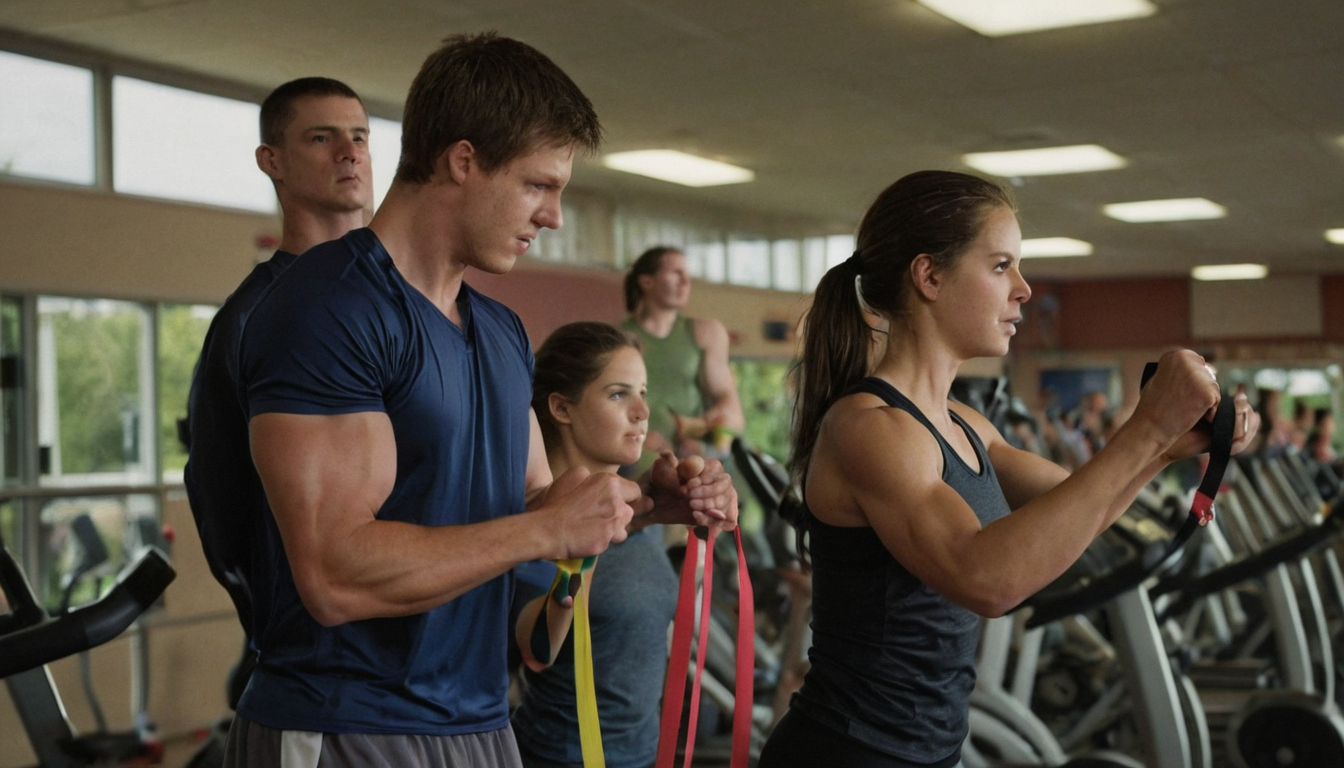
Resistance bands must pass a movement-by-movement capability test shown with practical context cues.
Lower-body exercises expose the main limits of resistance bands
- Knee-dominant work: A squat may place a long loop under both feet and requires clear standing height. Watch for weak resistance at the bottom or an uncomfortable band path. Gym alternatives include goblet squats, rack squats, and leg presses.
- Hip hinge: A band hinge needs room to move the hips back while the feet hold the band securely. Grip, balance, or inadequate top-end tension may limit the exercise. Dumbbell, kettlebell, or barbell deadlifts offer alternatives.
- Single-leg work: A loop under the working foot or an approved low anchor requires stable support nearby. If balance fails before the target muscles tire, use a supported split squat or suitable machine.
- Calf work: A band under the forefoot must remain secure. If the band slips or adds too little resistance, bodyweight work on a stable surface or a calf machine may fit better.
Upper-body exercises depend on safe anchors and suitable resistance direction
- Push: Horizontal pressing needs an approved anchor behind the torso and room to step forward. Vertical pressing needs enough ceiling and arm clearance. Push-ups, dumbbells, and press machines avoid uncertain anchor placement.
- Pull: Rows need a secure chest-height anchor and clear space behind the user. Vertical pulling needs a manufacturer-approved high anchor. Cable rows, pulldowns, and supported dumbbell rows provide stable alternatives.
- Trunk work: Side-resisted presses or rotations need a secure lateral anchor and clear floor space. Reject the setup if the feet slide or the anchor shifts. Cable presses and supported trunk exercises are gym alternatives.
A gym provides exercise options that a home band setup may not reproduce
A gym becomes more practical when the routine needs stable support, dependable high and low cable positions, small load increases, or resistance beyond the kit’s documented range. Bands remain practical when the setup is secure, the intended muscles limit the set, and technique stays consistent. Next, check whether you can measure progress rather than guess.
Progressive overload with resistance bands must be measurable and repeatable
Progressive overload means increasing training demand over time. With resistance bands, a useful record identifies the exact band, stretch distance, anchor, stance, work completed, rest intervals, and effort. Color names alone are not reliable across brands.
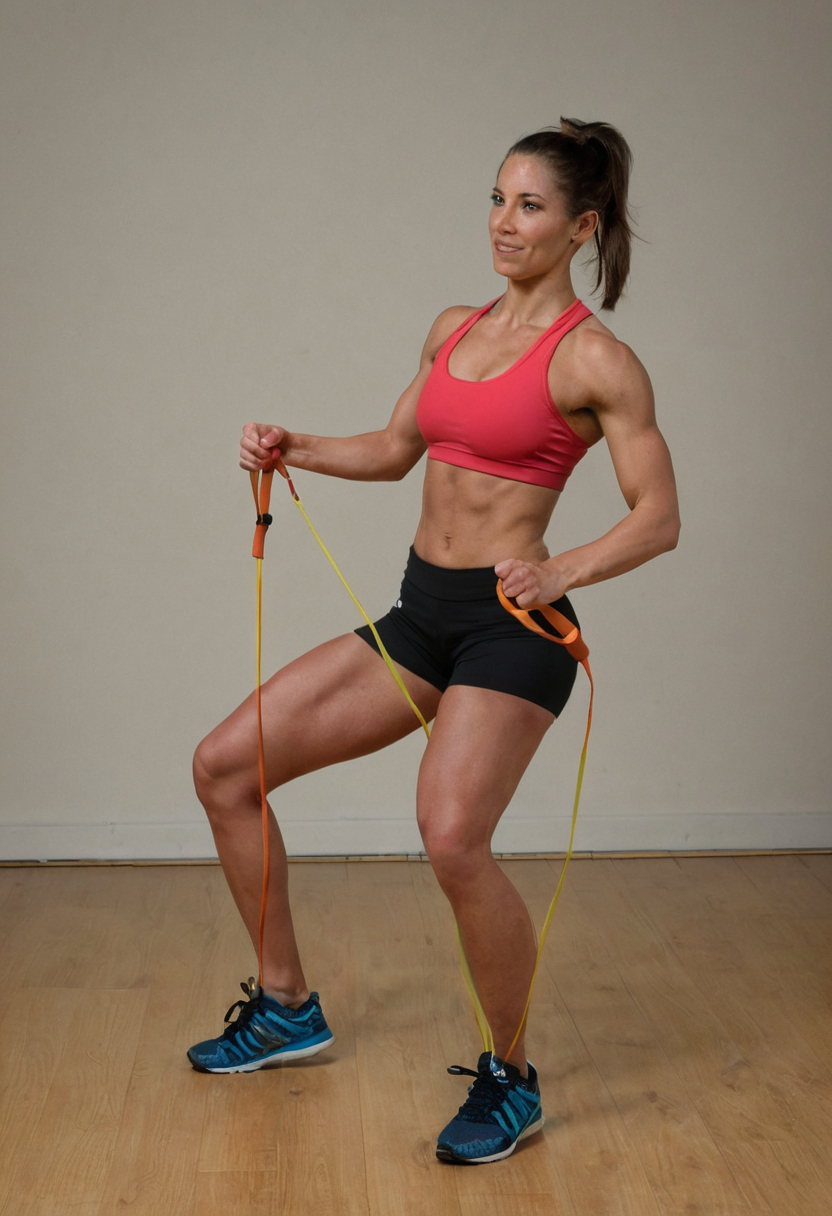
Progressive overload with resistance bands must be measurable and repeatable shown with practical context cues.
Record band identity, stretch distance, and setup before recording repetitions
Band tension changes as the material stretches, but stretch distance does not reveal force unless the manufacturer supplies a force-versus-elongation chart for that exact product and test method. Do not transfer a force estimate between brands or band types.
Measure the unstretched working length without marking or modifying the band. During the exercise, measure between repeatable landmarks, such as the anchor edge and hand position, at the start and end of the movement.
Hypothetical standing-row log:
- Band: product name, identifying mark, and one medium tube.
- Length: unstretched working length recorded beside a tape measure.
- Distance: start and end measurements from the door-anchor edge to the handle.
- Setup: chest-height anchor, split stance, and front foot aligned with a floor mark.
- Work: three sets of ten repetitions, ninety seconds of rest, and final-set RPE seven.
RPE means rating of perceived exertion on a scale from one to ten. One represents minimal effort; ten represents the greatest effort you could produce with acceptable technique. A rest interval is the recorded recovery time between sets.
Increase resistance only after the current band setup meets the planned target
When every planned set reaches its repetition target with controlled movement and the intended RPE, change one main variable:
- Add repetitions within the planned range.
- Add a set when the routine calls for more volume.
- Increase stretch within the manufacturer’s instructions.
- Use a stronger documented band or approved combination.
- Select a harder exercise variation that remains repeatable.
Reduce the demand if posture changes, movement becomes uncontrolled, the anchor shifts, or you cannot reproduce the setup. Once you can measure progression, test whether the complete plan fits an ordinary week.
The better workout option is the one the reader can follow consistently
A low kit price has little value if the bands remain unused. A well-equipped gym has little value if travel prevents attendance. Compare both choices against a real week, including setup, commuting, changing, equipment access, recovery, and guidance.
Compare the complete time cost of each workout routine
Use a seven-day worksheet:
- Mark work, caregiving, appointments, meals, sleep, and other fixed commitments from Monday through Sunday.
- Place each band session in a realistic opening. Include changing, clearing space, setting anchors, training, cleaning equipment, and storage.
- Place the same sessions at the selected gym. Include door-to-door travel, parking or transit, check-in, changing, training, and the return trip.
- Total both options and identify the sessions most likely to be skipped when the day runs late.
Use the usual transport method and travel period for gym estimates. Count equipment waits only when the facility supplies crowding information or you observe the gym at the intended hour. Home training removes the commute, but repeated furniture moving and anchor changes can create their own friction.
Add instruction costs when the reader cannot build or progress a routine alone
Facility access is not the same as coaching. A membership may provide equipment without an individualized plan, technique review, progression decisions, or accountability. Owning bands does not create balanced workout routines either.
- Confirm which orientations, classes, assessments, or coaching sessions the membership includes.
- Record coaching fees and check the trainer’s relevant credentials and service scope.
- Compare local and remote services instead of assuming searches for workout programs near me describe coached programs.
- Seek qualified individual guidance when pain, injury recovery, a health condition, or unfamiliar technique makes general information insufficient.
The practical option is the one whose full weekly time and instruction cost fit ordinary life. Finally, check physical hazards and financial obligations.
Inspect resistance-band safety and membership terms before committing
Resistance bands need routine inspection, manufacturer-approved anchors, controlled release, and clear space. Gym memberships require a written review of renewal, cancellation, access limits, and extra fees. People with symptoms, injuries, or medical restrictions should seek individualized clinical guidance before exercising.
Reject a resistance-band setup that cannot be anchored and inspected reliably
Read the instructions for the exact system because inspection, cleaning, storage, anchoring, maximum stretch, and replacement rules vary. Reject a kit if the seller does not provide usable instructions and warnings.
- Inspect the band, handles, clips, stitching, and anchor before each session. Stop using parts with tears, cracks, abrasion, thinning, exposed material, loose stitching, or deformed hardware.
- Use only approved anchors and door positions. Reject sharp edges, unstable posts, loose fixtures, and doors that can open toward the user.
- Keep the band path away from the face and clear of people, pets, glass, furniture, and cutting surfaces.
- Control both phases of each repetition. Do not release a stretched band suddenly.
- Follow the product instructions for cleaning, temperature, sunlight, moisture, storage, and retirement.
Readers considering hard band circuits should screen intensity, readiness, and progression before starting HIIT.
Reject a gym membership whose total obligations are not clear in writing
- Confirm dues, enrollment charges, annual fees, taxes, and possible fee changes.
- Check the initial term, automatic renewal, and cancellation requirements.
- Ask whether freezes extend the contract or create additional charges.
- Confirm included locations, hours, classes, coaching services, and facilities.
- Compare every verbal sales statement with the written agreement before paying.
Commit only when the option supports every required movement, allows measurable progression, fits your weekly schedule, and has costs and safety conditions you understand.
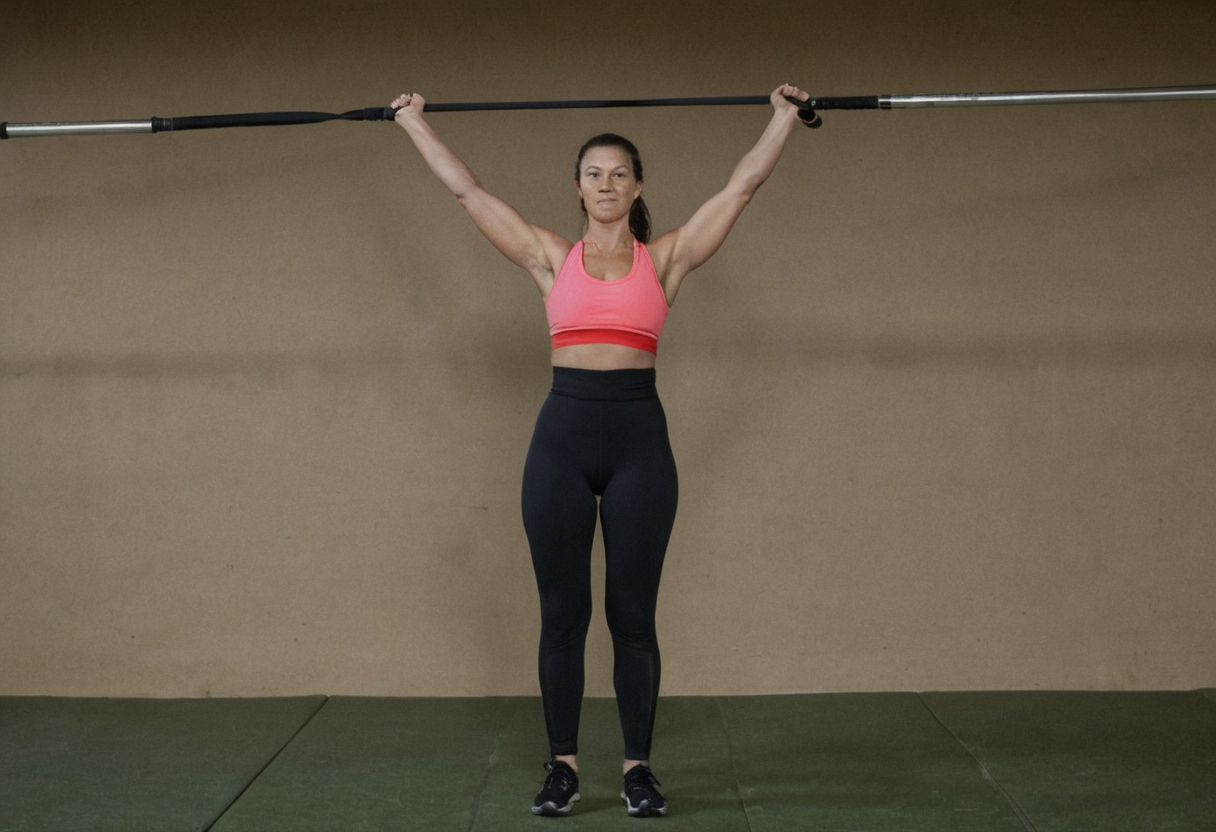
Inspect resistance-band safety and membership terms before committing shown with practical context cues.
Frequently asked questions
Can resistance bands build strength as effectively as gym weights when effort and progression are comparable?
Resistance bands can support strength training when they provide enough resistance for the intended movement and allow repeatable progression. A gym becomes more practical when bands cannot provide the required load, direction, stability, or incremental adjustments. The available evidence supplied for this article does not establish a universal equivalence between bands and gym weights.
How can I tell whether a resistance-band kit provides enough tension for my planned exercises?
Write down every planned exercise and test the required band, anchor, range of motion, and body position. Check the manufacturer’s documented resistance information and maximum approved stretch. Reject the kit if a key movement lacks enough resistance or requires an unstable setup.
How do I measure and record progressive overload with resistance bands?
Record the band identity, unstretched working length, start and end distances, anchor position, stance, sets, repetitions, rest intervals, and RPE. Change one main variable at a time after the current setup meets its planned target with controlled technique.
What costs should I include when comparing resistance bands with a 12-month gym membership?
For bands, include the complete kit, required accessories, shipping, tax, and documented replacement. For a gym, include dues, enrollment and annual fees, taxes, transport, parking, and instruction. Use current written prices and the same attendance assumption for each option.
When is a gym membership more practical than resistance bands for a complete workout routine?
A gym is more practical when the routine requires heavier loads, small weight increments, stable machines, dependable cable positions, qualified supervision, or movements that cannot be reproduced safely at home. Gym access must still fit the reader’s budget and weekly schedule.