
Should you try a gentle stretch when your lower back feels stiff, or arrange a clinical assessment first? Lower back stretches may suit mild, uncomplicated discomfort, but they cannot diagnose the cause or prove that movement is safe. Screen for warning signs first, test only tolerable movement, and monitor what happens afterward.
When should lower back symptoms be checked before trying stretches?
Lower back stretches should wait when symptoms follow major trauma or occur with bladder or bowel changes, saddle-area numbness, worsening weakness, fever, serious illness, or other systemic warning signs. Urgent or prompt clinical assessment takes priority over testing movement at home.
Which lower back warning signs may require emergency care?
| Concern | Warning signs | Next step |
|---|---|---|
| Emergency | New difficulty starting or controlling urination, loss of bowel control, reduced sensation around the genitals or buttocks, progressive leg weakness, or concerning symptoms in both legs | Contact local emergency services or attend an emergency department. Do not use stretching as a test. |
| Prompt assessment | Significant trauma, fever, worsening neurological symptoms, or back pain alongside serious illness | Seek same-day or timely advice from urgent care, primary care, or another qualified healthcare professional. |
| Possible self-care | Mild, localized discomfort without trauma, illness, neurological changes, or declining function | Consider gentle movement and monitor the response. |
The VA/DoD guideline summary identifies urinary retention, bladder fullness, and saddle sensory disturbance among warning findings associated with possible cauda equina syndrome.
Which lower back symptoms justify a prompt but non-emergency appointment?
Arrange an assessment for unexplained weight loss, persistent night symptoms, fever, declining function, cancer history, immunosuppression, osteoporosis, or elevated fracture risk. New or changed symptoms need added caution because clinicians may consider trauma, infection, cancer, inflammatory disease, or neurological compromise, as reflected in NICE guidance for adults with low-back pain.
This self-care pathway does not cover children, pregnancy, recent spinal surgery, known fracture, cancer, infection, inflammatory disease, or diagnosed neurological conditions. Without those concerns, mild discomfort may fit cautious movement.
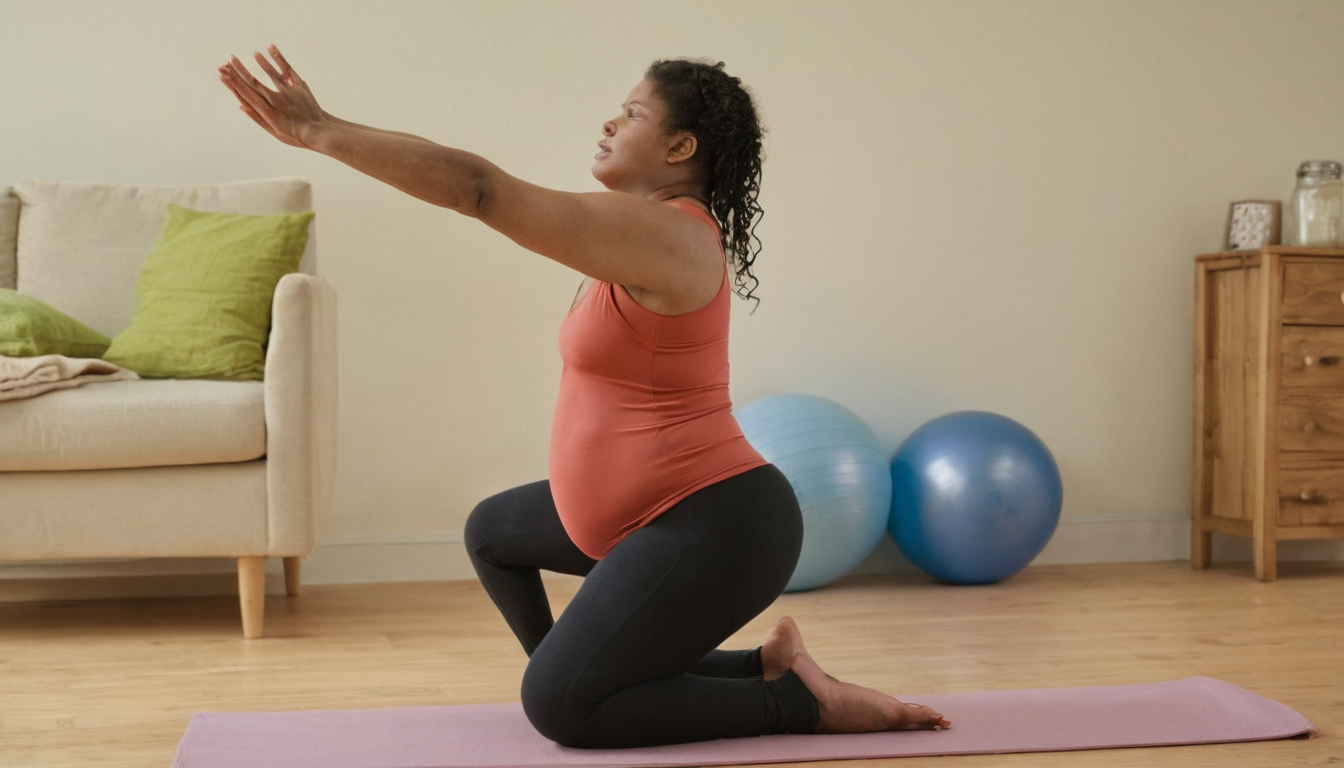
When should lower back symptoms be checked before trying stretches shown as an editorial planning reference.
When are gentle lower back stretches a reasonable self-care option?
Gentle movement may be reasonable short-term self-care for a generally healthy adult with mild, uncomplicated lower back discomfort, no warning signs, and enough function to manage ordinary activity without marked symptom escalation.
Does nonspecific lower back discomfort respond better to movement than complete rest?
NIAMS guidance on back pain advises avoiding bed rest, limiting painful activities, and gradually increasing physical activity as tolerated. Before trying stretching exercises for the lower back, check that:

When are gentle lower back stretches a reasonable self-care option shown as an editorial planning reference.
- Walking, dressing, and changing position remain possible.
- Movement can stay within a comfortable range.
- Symptoms are not becoming stronger or spreading into a leg.
- No trauma, illness, numbness, weakness, or bladder or bowel change is present.
Stretching is only one movement option. Easy walking or frequent position changes may feel more tolerable, and prolonged rest can make returning to normal activity harder.
Are lower back stretches appropriate for recurring or previously diagnosed symptoms?
Recurring symptoms require more caution. Previous disc-related symptoms, spinal stenosis, spondylolisthesis, osteoporosis, inflammatory disease, surgery, or clinician-imposed restrictions may change which movements are suitable. Follow an existing care plan or ask a physician or physical therapist to tailor the activity.
The 2021 physical therapy guideline update, which updates a 2012 guideline, gives added attention to older adults, back-related leg pain, and postoperative symptoms. That scope illustrates why a generic routine has limits.
How should adults perform lower back stretches without forcing the range?
Lower back stretches should be slow, controlled, and limited to a comfortable range. No universal stretch, dosage, or flexibility score can identify the cause of discomfort.
What should a tolerable lower back stretch feel like?
- Move only until mild muscular tension or familiar, localized discomfort appears.
- Breathe normally without bouncing, straining, or forcing a deeper position.
- Reduce the range or stop if pain sharpens, spreads, or produces tingling, numbness, or weakness.
Cedars-Sinai stretching guidance likewise recommends choosing comfortable movements and not progressing from discomfort into pain.
How long and how often should lower back stretches be performed?
No single dosage fits every complaint. Begin with a brief hold or several controlled repetitions, then compare symptoms during the movement, later that day, and the next morning. A clinician may prescribe different timing. Greater flexibility does not necessarily mean better pain control.
Should adults test lower back flexibility before choosing a stretch?
No home reach test can diagnose an injury or prove safety. Hip, hamstring, thoracic, and lumbar motion all affect the result. Use symptom response, not a flexibility score, to compare cautious movement options.
Which stretching exercises for the lower back can be screened by movement response?
Back stretches for the lower back should be treated as movement trials rather than ranked cures. Favor an option that remains comfortable, does not send symptoms farther into a leg, and leaves symptoms stable or improved afterward.
Which lower back movement options belong in a cautious comparison table?
| Option | Direction | Modification or stop rule |
|---|---|---|
| Pelvic tilt | Lie with knees bent; gently flatten and release the lower back. | Use a small range. Stop for increasing pain or leg symptoms. |
| Knee to chest | Lie down and gently draw one knee toward the chest. | Hold behind the thigh or over the knee, whichever is comfortable. Do not force spinal flexion. |
| Quadruped motion | On hands and knees, slowly round and relax the spine. | Reduce the range or avoid the position if wrists or knees hurt. |
| Supported standing extension | Stand at a counter and move the hips slightly forward. | Keep the motion shallow. Stop if symptoms spread downward. |
Why can flexion, extension, or rotation feel different for different lower backs?
Movement response varies with the underlying problem, so relief or restriction in one direction does not establish a diagnosis. Stop if buttock or leg symptoms spread. Seek guidance before lower lumbar stretches when osteoporosis, recent injury, surgery, or a known spinal condition applies.
When should lower back stretches be stopped or reassessed?
Stop lower back stretches for sharp or escalating pain, new tingling or numbness, weakness, loss of balance, or symptoms traveling farther down a leg. Reassess self-care when discomfort worsens, repeatedly returns, disrupts sleep, or limits normal function.
What lower back response is acceptable during and after stretching?
| Decision | Response |
|---|---|
| Continue gently | Mild local tension settles when the stretch ends and causes no later increase. |
| Modify or pause | Discomfort builds, lingers, or causes guarding. |
| Book an assessment | Episodes recur, night symptoms escalate, or daily function declines. |
| Seek urgent care | Bladder or bowel trouble, saddle numbness, or progressive weakness develops. |
How long should adults try lower back self-care before booking an assessment?
Do not wait for a calendar threshold when symptoms worsen. Cedars-Sinai advises medical review when acute pain lasts more than a few days or accompanies weakness or numbness. Earlier review also suits recurrent episodes, declining function, or osteoporosis combined with recent trauma.
What happens during a clinical check for persistent lower back symptoms?
A clinical check combines medical history, warning-sign screening, neurological questions, and observation of movement and function. Imaging is not automatic when serious warning signs are absent. For related context, review choosing a workout routine around recovery. For related context, review screening readiness before higher-intensity exercise.

What happens during a clinical check for persistent lower back symptoms shown with practical context cues.
Frequently asked questions
How can an adult stretch the lower back without forcing movement?
Use a slow, comfortable range, breathe normally, and stop before discomfort becomes pain. Judge the response during the movement and again later.
Is there one best exercise or a universal “Big 3” for lower back pain?
No universal set fits every symptom pattern or diagnosis. Exercise selection should reflect medical history, function, movement response, and professional restrictions.
Should a lower back stretch feel better immediately?
Immediate relief is not required and does not prove safety. A movement should be modified or stopped if symptoms intensify during the session or worsen later. The practical rule is simple: screen first, move within tolerance, monitor the response, and obtain qualified assessment when warning signs, persistence, or recurrence change the risk.